The 2026 Compliance Gap: Is Your Cotton Collection Legal?
UK fashion brands face a legal turning point in 2026. The Digital Markets, Competition and Consumers Act now empowers the CMA to fine companies up to 10% of their global turnover for greenwashing. Choosing between organic and conventional cotton is no longer a design preference. It is a core risk management strategy for the modern British retailer.
The 2026 Comparison: A Performance Breakdown
| Metric | Conventional Cotton | Organic Cotton (GOTS 7.0) |
| Water Source | High-intensity irrigation | Up to 91% rain-fed (mostly) |
| Seed Tech | GMO / Treated with insecticides | Non-GMO / Natural untreated seeds |
| UK Legal Risk | High (Greenwashing liability) | Low (Third-party verified) |
| Soil Impact | Nutrient depletion / Erosion | Carbon sequestration / Biodiversity |
| End-of-Life | Toxic micro-leakage | 100% biodegradable & safe |
The Hidden Environmental Cost of Business as Usual
Conventional cotton occupies 2.5% of global cropland but consumes 16% of all insecticides. These synthetic chemicals do not simply vanish after harvest. They leave measurable residues on finished garments. UK shoppers now use home-testing kits to check for skin-irritant formaldehydes and heavy metals. Brands using non-organic fibres risk high return rates and irreparable damaged reputations in an era of radical transparency.
Furthermore, conventional crops rely on intensive monoculture farming. This process strips British-bound supply chains of long-term resilience. Degraded soil produces weaker, brittle fibres leading to garments that pill, stretch, and fail the “durability” tests required for Circular Economy labels. If your product fails after three washes, your brand fails the 2026 consumer loyalty test.
The Organic Advantage: Beyond Environmentalism
Organic cotton uses zero synthetic pesticides. Farmers employ crop rotation and natural composting to keep soil healthy. This natural method traps CO₂ in the ground. It helps your brand meet “Net Zero” targets without purchasing questionable carbon offsets. Healthy soil acts as a carbon sink, making organic cotton a proactive tool for climate cooling rather than just a “less bad” alternative.
For small UK labels, the traditional hurdle was volume. Economies of scale favoured the giants. Herbal Fab solves this by offering low Minimum Order Quantities (MOQs). You can now launch a GOTS-certified capsule collection without the overwhelming financial burden of 1,000-piece runs. The advantage is the provision for lean inventory management, which reduces the risk of unsold stock ending up in landfills.
From Farm to Finished Garment: The Herbal Fab Solution
Herbal Fab bridges the gap between ethical intent and market reality by serving as a comprehensive, sustainable sourcing hub. Through their curated cloth showroom, brands gain access to high-quality organic cotton, non-violent silk, and wood-based fibres that meet the highest global standards. By choosing a partner dedicated to the “why” of sustainable fashion (prioritising the health of the soil and the safety of the wearer), UK designers can build collections that are inherently ethical, legally compliant, and commercially viable.
Why 2026 is the Year of Truth for UK Brands
The UK government has intensified its focus on the “Green Claims Code.” By 2026, every environmental statement on a product tag must be backed by verifiable data. Conventional cotton “sustainability” claims are often built on vague marketing jargon. Organic cotton, however, comes with a rigorous paper trail.
When you source through a certified partner like Herbal Fab, you receive a Transaction Certificate (TC). This document is your legal shield. It proves that the fibre in your customer’s hands was grown, processed, and sewn under strict ethical and environmental oversight. Without this, your brand is vulnerable to public audits and regulatory litigation.
The GOTS Approved Input Revolution
Most “sustainable” brands stop at the raw fibre. They use organic cotton but apply non-compliant synthetic dyes that pollute water systems during the first wash. In 2026, consumers and regulators are quick to call out this contradiction. To eliminate this risk, Herbal Fab uses exclusively GOTS-approved chemical inputs.
These colourants are technically advanced, low-impact additives that have been pre-screened for biodegradability and zero toxicity. Under GOTS 7.0 standards, every pigment used must be free from heavy metals, aromatic solvents, and endocrine disruptors. This “clean-label” approach ensures your product remains non-toxic from the factory floor to the customer’s skin. By using only verified inputs, Herbal Fab provides a powerful narrative for the “Wellness-Wear” market, ensuring your collection is both high-performance and environmentally beyond reproach, in line with the UK Green Claims Code.
Economic Resilience through Low MOQs
The British fashion industry is shifting toward a drop model. High-volume production is becoming a liability due to fluctuating trends and rising storage costs. By utilising low MOQ garment manufacturing, UK brands can test new designs in organic cotton with minimal exposure.
Working with a vertically integrated supplier in India allows you to move from fabric selection to finished garment stitching in one seamless flow. The result is a reduction in middleman markups and ensures that the person sewing your garment is working in a GOTS-approved, ethical environment. It is the most cost-effective way to build a premium, ethical brand identity.
Transitioning Your Supply Chain: A 4-Step Action Plan
- Audit Your Current Tier 4: Map your supply chain to find exactly where your raw cotton is grown. If it isn’t certified, it’s a liability.
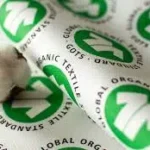
- Verify GOTS Paperwork: Don’t take a supplier’s word for it. Ensure they provide a valid Scope Certificate and Transaction Certificates for every shipment.
- Audit the Finishing Process: Verify that your “organic” garments are not treated with toxic finishes or synthetic dyes.
- Consolidate Manufacturing: Herbal Fab combines fabric supply with a custom sewing unit. It thus reduces your carbon footprint by keeping the entire production under one roof, simplifying your logistics for 2026.
The Verdict: Risk or Reward?
The choice between organic and conventional cotton is no longer just about the planet. It is about the survival of your business in a regulated market. Conventional cotton is a legacy of the past, polluted, risky, and increasingly unpopular. Organic cotton is the foundation of a future-proof UK fashion brand.
UK shoppers are increasingly willing to pay a premium for “slow fashion” that lasts. By choosing organic, you aren’t just selling a T-shirt; you are selling peace of mind, quality, and a commitment to a cleaner Britain.
Frequently Asked Questions
1. Is organic cotton actually more expensive for UK startups?
Raw organic fabric costs more per metre. However, Herbal Fab’s low MOQ model reduces the total upfront investment (e.g., 100m run vs 1,000m in conventional bulk). Small brands avoid the “dead stock” costs associated with bulk conventional orders, making the “cost per sold unit” much more competitive.
2. How does organic cotton help with UK Green Claims Code compliance?
The GOTS 7.0 certification provides a documented paper trail. This “Transaction Certificate” serves as legal proof for your environmental claims under the CMA Green Claims Code. It protects your brand from investigations and heavy fines for misleading advertising.
3. Does organic cotton last longer than conventional cotton?
Yes. Conventional cotton fibres are weakened by harsh chemical scouring, bleaching, and high-heat processing. Organic fibres remain intact and strong because they are handled with natural, gentler processes. It creates a more durable garment that supports the “Slow Fashion” movement.
4. How do I verify my supplier is truly organic?
Always request a GOTS Scope Certificate and check its validity on the Global Standard website. Verify the name on the certificate matches your supplier exactly. Herbal Fab maintains full certification for both fabric supply and custom garment sewing, ensuring a 100% organic chain of custody.