Key Takeaways
- Zero Casualties: Peace Silk (Ahimsa silk) allows the moth to naturally hatch and leave the cocoon before workers harvest the silk. It eliminates the traditional boiling process.
- Tactile Superiority: Workers must spin the broken cocoons rather than reeling them. The fabric develops a rich, matte texture that breathes better and lasts longer than conventional glossy silk.
- Authentic Sourcing: Because production happens in decentralised village clusters, formal certifications are often impossible. Brands ensure ethical origins through radical transparency and direct relationships with artisan communities.
- Strategic Sourcing: sourcing directly from certified Indian manufacturers, such as Herbalfab, bypasses unreliable intermediaries. It secures authentic supply chains and controls wholesale landed costs.
The fashion world has a hidden problem. We love the drape, shine, and luxury of silk. But the traditional process boils silkworms alive inside their cocoons. Modern consumers now know this truth. Ethical fashion brands in the UK and Europe face a tough choice. Do they drop silk entirely? Or do they find a kinder way?
Enter Peace Silk. It’s also called Ahimsa silk. This fabric gives you luxury without the guilt. The silkworm lives. The moth hatches. The fabric looks stunning.
But what exactly makes it different? Why do European brands scramble to secure a steady supply? We must look at the facts.
What Exactly Is Peace Silk?
Conventional silk production values speed. Farmers boil the cocoons to kill the pupae inside, keeping the silk thread whole. Workers then reel it off into one long, shiny strand.
Peace Silk takes a non-violent approach. “Ahimsa” means non-violence in Sanskrit. Farmers wait. They let the silkworm complete its natural life cycle. The moth breaks through the cocoon and flies away. Only then do workers harvest the broken, empty cocoon.
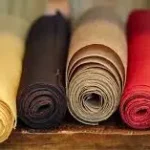
Because the moth breaks the thread, workers cannot reel in the silk. Instead, they spin it. This spun silk feels distinctly different. It lacks the high-gloss shine of conventional satin. Instead, it carries a matte finish and a texture similar to fine linen or soft cotton.
Most Peace Silk comes from the Samia ricini moth. The industry calls this Eri silk. These moths feed on castor leaves, not just mulberry leaves. Researchers at the Mississippi Entomological Museum note that centuries of careful domestication created Eri silk. It yields a highly durable, temperature-regulating fabric. It feels like soft cotton but performs like silk.
Fabric Breakdown: Peace Silk vs Conventional Silk
| Feature | Peace Silk (Ahimsa / Eri) | Conventional Silk (Mulberry) |
| Harvest Method | Cruelty-free; moth hatches naturally. | Pupa boiled alive inside the cocoon. |
| Fibre Structure | Short fibres spun into yarn. | Continuous filament is reeled into a strand. |
| Texture & Finish | Matte, slightly textured, heavier drape. | High-gloss, smooth, slippery drape. |
| Thermal Properties | Highly breathable; excellent temperature regulation. | Less breathable; traps heat easily. |
| Environmental Impact | Low water usage; supports organic farming. | High water usage; often relies on synthetic fertilisers. |
The Tactile Difference: Why Designers Love It
Fashion designers in London and Paris do not just buy Peace Silk for the sake of the story. They buy it for the performance.
Spun silk behaves differently on the cutting table. It holds its shape better than slippery conventional silk. The matte finish absorbs light. It gives garments a modern, understated luxury and breathes exceptionally well. The fabric keeps the wearer warm in winter and cool in summer.
Designers also praise its longevity. When consumers wash conventional silk, it often loses its chemical finish and degrades. Thanks to its spun structure, high-quality Peace Silk typically grows softer over time with proper washing. It also demonstrates greater resistance to pilling than loosely woven synthetic satins. This longevity means garments stay in wardrobes longer, helping break the fast-fashion cycle.
Because Eri silk is heavier, designers use it for a range of garments. It works perfectly for structured dresses, soft tailoring, thick shawls, and high-end outerwear. The textured weave grips natural dyes beautifully. It allows brands to create rich, deep, earthy tones without relying on harsh chemicals.
Washing Behaviour & Care Instructions
A genuine concern for B2B buyers is how the end consumer will maintain the garment. Because Peace Silk is spun rather than reeled, it requires specific care to maintain its structural integrity and matte finish.
- Washing: Always hand-wash in cold water using a pH-neutral, mild liquid detergent. Avoid harsh biological washing powders that strip natural proteins.
- Drying: Never wring or twist the fabric. Roll the garment gently in a clean towel to remove excess water, then lay it flat to dry in a well-ventilated area out of direct sunlight.
- Ironing: Use a cool iron or steam the garment lightly on the reverse side while it remains slightly damp.
Why UK and EU Brands Choose Peace Silk
European brands lead the global push for sustainable fashion. They switch to Ahimsa silk for three main reasons.
1. Consumer demand for cruelty-free fashion
European shoppers ask hard questions. They want to know who made their clothes and how. When they learn how conventional silk production works, they look for alternatives. Peace Silk offers a direct answer. It tells a story of care, patience, and non-violence. Brands use this story to build deep trust with their buyers. You cannot fake that kind of brand loyalty.
2. A clean environmental footprint
Conventional sericulture often uses heavy synthetic fertilisers to grow mulberry leaves fast. True Peace Silk aligns with organic farming principles. The castor plants grow naturally. Farmers avoid toxic sprays. Traditional silk requires massive amounts of water to process. Mills use harsh chemical degumming agents to strip the protein from the thread. Peace Silk processors use natural, gentle soap and hot water. The wastewater remains safe for the surrounding environment.
3. Better waste management
Traditional silk discards anything that lacks a perfect, continuous thread. Peace Silk embraces the broken pieces. Spinners use the entire cocoon. This zero-waste philosophy matches the circular economy goals set by many EU fashion councils.
Navigating GOTS 8.0 Compliance
The term “cruelty-free” is a strong marketing phrase but has no legal weight. How do UK brands demonstrate the ethical origins of their silk to investors? They rely on the Global Organic Textile Standard (GOTS).
GOTS version 8.0 sets strict, non-negotiable rules. Crucially for silk, certification requires the initial farming stage (sericulture) to meet strict organic input standards. This mandates that the castor leaves fed to the moths are cultivated entirely without synthetic pesticides or fertilisers. Furthermore, a certified supplier must prove that no toxic heavy metals are introduced into the fabric during dyeing. They must prove they pay fair wages. GOTS 8.0 enforces a strict ban on forced labour anywhere in the supply chain.
If you buy from a certified supplier, you receive a Transaction Certificate. This document tracks the silk. It proves the exact batch of fabric you hold came from an audited, organic farm. Without this certificate, your brand risks severe accusations of greenwashing.
The Economics: Cost, Blends, and Margins
Peace Silk costs more than regular silk. Spinning broken cocoons takes time. The overall yield drops because the moth destroys part of the cocoon when it hatches.
Founders must plan their budgets around this reality. A UK brand might pay a premium per metre, but they gain immense brand value. You do not just buy fabric. You buy a clean supply chain. You protect your brand’s reputation.
Sometimes, pure Peace Silk stretches a startup budget too far. Smart suppliers solve this by blending fibres. Herbalfab blends Peace Silk with organic cotton, Cupro (a breathable, regenerated cellulose fibre), or Tencel. This lowers the wholesale price per metre. It also adds durability and alters the drape. Brands achieve a luxury hand-feel while hitting their strict target margins.
How Herbalfab Supports European Brands
If you run an ethical label in Europe, sourcing matters. You need a partner, not just a vendor. Dealing with overseas mills often brings language barriers, missed deadlines, and fake certificates.
Herbalfab operates as a trusted, GOTS-certified supplier based in India. India acts as the global heartland of Ahimsa silk. By working directly with a certified Indian manufacturer, UK and EU brands skip the unreliable go-betweens.
Herbalfab handles the complex supply chain. The team secures the organic fibres and manages the spinning and weaving. They ensure every step complies with strict ecological standards and offer clear minimums for both stock fabrics and custom orders.
The Future of Luxury Fashion
The shift towards Peace Silk represents a permanent change in how luxury fashion operates. European brands lead the charge, and informed consumers actively reward them with their wallets.
By choosing Ahimsa silk, you reject the violence of conventional silk. You support organic farming. You ensure fair wages for rural artisans. Most importantly, you offer your customers a truly ethical, luxury garment.
Are you ready to upgrade your supply chain?
Stop guessing about your fabric origins. Partner with a supplier that values transparency as much as you do. Explore Herbalfab’s extensive range of sustainable fabrics today. Build your next collection on a foundation of peace.
Frequently Asked Questions
Q1: What is Peace Silk?
A1: Peace Silk, also known as Ahimsa silk, is a cruelty-free textile. Farmers allow the silkworm to hatch into a moth and fly away before harvesting the empty cocoon. It thus completely prevents the traditional practice of boiling silkworms alive.
Q2: Is Peace Silk the same as Ahimsa silk?
A2: Yes. Ahimsa translates to “non-violence” in Sanskrit. Both terms refer to the same cruelty-free method of harvesting silk after the moth completes its natural life cycle.
Q3: Does Peace Silk feel different from conventional silk?
A3: Yes. Because the moth breaks the cocoon, workers must spin short fibres rather than reel a continuous thread. It thus gives Peace Silk a heavier, textured, matte finish rather than a slippery, high-gloss shine.
Q4: What is Eri silk?
A4: Eri silk is the most common type of Peace Silk. It comes from the Samia ricini moth, which feeds on castor leaves. Eri silk creates a highly durable fabric that breathes exceptionally well and offers a soft, cotton-like texture.
Q5: Why does Peace Silk cost more than regular silk?
A5: Peace Silk costs more because the production process takes longer. Waiting for the moth to hatch reduces the total yield of usable silk, and spinning broken cocoons requires intense, skilled manual labour.
Q6: How do I know my Peace Silk is genuinely ethical?
A6: You must verify the supply chain using the Global Organic Textile Standard (GOTS). Always ask your supplier for a valid Scope Certificate and a Transaction Certificate for your specific fabric batch.
Q7: Can textile mills blend Peace Silk with other fabrics?
A7: Absolutely. Textile mills frequently blend Peace Silk with organic cotton, Tencel, or Cupro. Blending lowers the cost per metre while maintaining a luxurious drape and meeting strict sustainability goals.
Q8: Where do ethical UK brands source their Peace Silk?
A8: Most high-quality Peace Silk originates in India. UK and EU brands partner with GOTS-certified Indian suppliers, like Herbalfab, to secure authentic, traceable fabrics directly from the source.